How Paint Protection Film PPF Protects Your Car From Texas Roads’ Chips and Scratches
The state of Texas may be very hard on a car’s exterior. Roadwork can leave loose gravel in its wake that scratches paint, while highways may have all sorts of things that will scratch up your paint job. Before you know it, one little scratch becomes an entire array of dents.
That’s where paint protection film PPF becomes a practical solution. It’s designed to take the hit so your paint doesn’t have to, helping prevent rock chips and scratches that are common on Texas roads, especially around the bumper, hood, fenders, and mirrors.
Why Texas Roads Cause So Many Chips and Scratches
Paint damage isn’t just “bad luck.” In Texas, the conditions make chips and scratches more likely than many drivers expect.
Here are a few common culprits:
- Construction work on the road, leaving loose aggregates
- Fast driving on highways, where small pebbles strike unexpectedly hard
- Country roads with gravelly banks and objects
- Sand blowing from the wind that functions as sandpaper
- Every day, parking lot hazards like shopping carts, bushes, and careless door swings
Even careful driving can’t fully prevent these impacts. And once the clear coat is breached, chips can spread, stains can set in, and in some cases, the exposed area can start to oxidize.
How Paint Protection Film PPF Works Against Road Damage
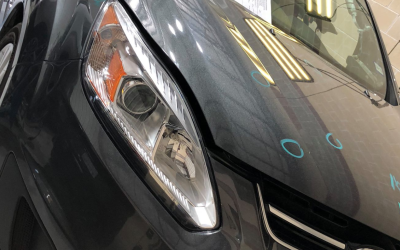
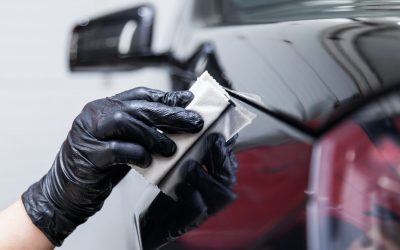
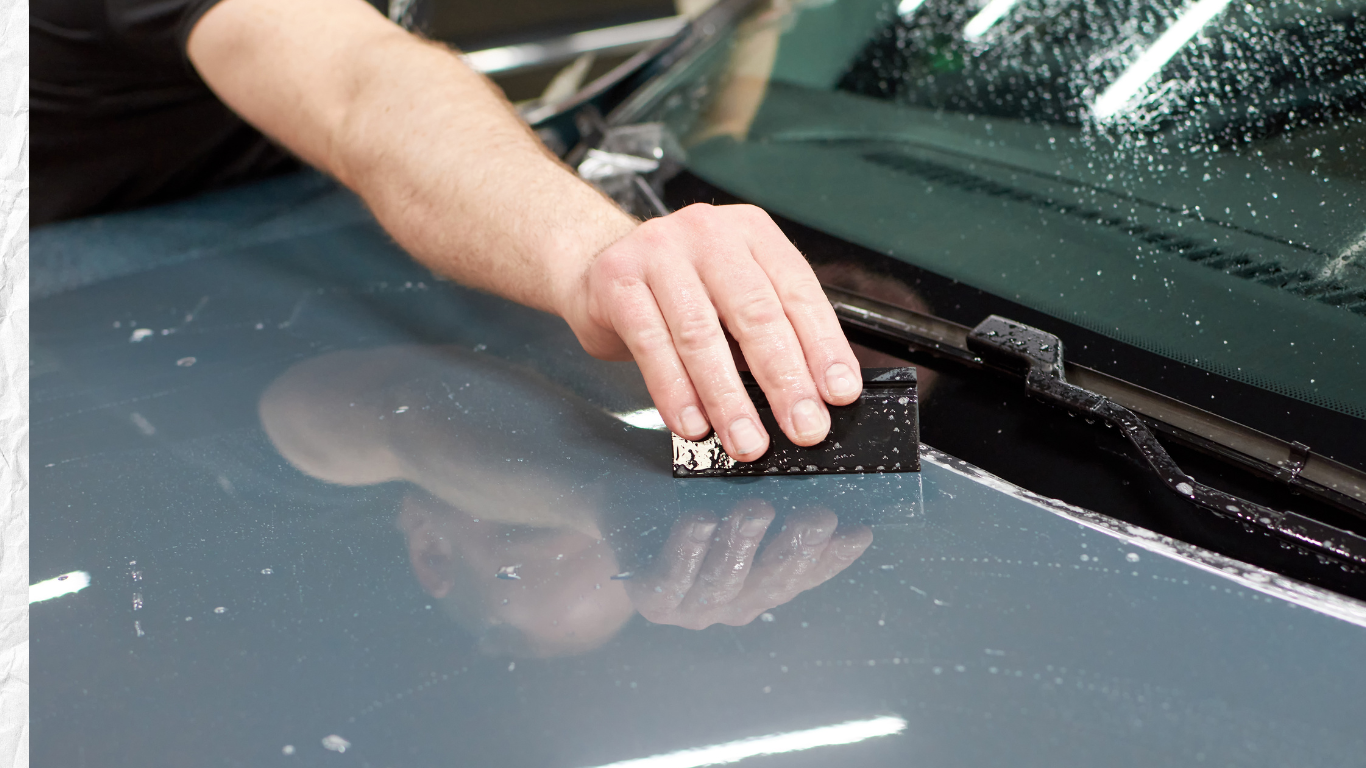
The paint protection film, commonly known as PPF, is an extremely durable, yet invisible, film used to cover the painted surfaces of your car. It acts as a shield between your car’s body and outside elements; the film receives any damage, while the paint remains intact.
What it protects against:
- Rock chips on the hood, bumper, and front fenders
- Light scratches from brush contact, washing, or road grit
- Scuffs around high-touch areas like door edges and behind handles
- Bug splatter and road grime that can stain or etch if left too long
It’s especially useful in Texas because so much driving happens at higher speeds and over long distances. The faster you go, the more energy a small pebble carries and the more damage it can do to unprotected paint.
The “front-end beating” problem
If you have ever wondered why most of the chips tend to accumulate on the front part of your car, there is a logical explanation for that. Your bumpers, the edges of the hood, and your mirrors are the first parts of your car to come into contact with any kind of debris.
What Areas Should You Protect First?
If you’re trying to solve a real problem (not just add a nice upgrade), it helps to prioritize the areas that take the most abuse. Many drivers start with the front end and expand coverage later.
Common high-value areas for PPF include:
- Front bumper (the most chip-prone surface)
- Hood (full hood or partial, depending on driving habits)
- Front fenders (especially the leading edges)
- Side mirrors (small but constantly exposed)
- Door trim (usually scratched from everyday contact)
- Rockers (usually abraded by road grime)
If you put in a lot of highway mileage, travel in areas with a lot of construction, or frequently travel off-road, your attention to these areas will pay the greatest dividends.
PPF vs. Ceramic Coating vs. Window Tinting: What Each One Solves
They are frequently mentioned in the same breath, but they serve separate purposes. Knowing the difference will help you spend your money in areas that reduce your risk.
Paint Protection Film is best for impact and abrasion protection, such as chips, scuffs, and scratches from debris and contact.
Ceramic coating application is best for chemical resistance and easier cleaning. It can help reduce staining from bug splatter, bird droppings, and road grime, and it improves gloss. But it’s not designed to stop rock chips.
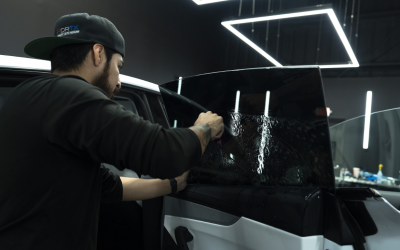
Window tinting installation is focused on heat reduction, glare control, and interior protection. In Texas, tint can make a huge difference in comfort and can help protect interior materials from sun exposure.
In fact, most people who drive incorporate these three into their car’s protection system: PPF for physical protection, ceramic coating for easy maintenance, and window tinting for effective heat control in the car’s cabin.
Actionable: How to Reduce Chips and Scratches Starting This Week
PPF is definitely the best choice, but other methods may help minimize the damage if you drive on Texas highways and roads under construction.
- Stay away from roads that have been recently repaved; loose gravel can be at its worst on these roads.
- Wipe away the grime before washing your car to minimize swirl marks and micro scratches.
- Make sure you do not leave bug stains exposed to sunlight for too long.
- Start by protecting the front end of your vehicle with paint protection film.
If you already have chips forming, consider addressing them early. Small damage can sometimes be corrected more cleanly before it spreads or becomes more noticeable.
What If Your Paint Is Already Damaged?
This is a common situation: you discover chips and scratches, then start looking into protection. The good news is you still have options.
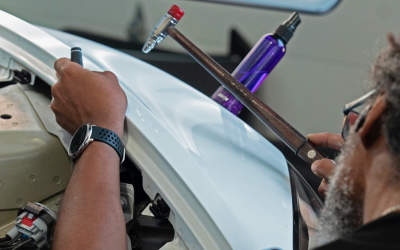
For existing damage, expert auto body repair can help restore the finish and improve the panels’ appearance before adding protection. It’s often smarter to address problem areas first, so you don’t seal in visible defects under a protective layer.
And if Texas weather has already done its own kind of damage, like a sudden hailstorm, auto hail repair can address dents that may appear even when the paint looks fine. Hail dents and paint chips are different problems, but they often show up in the same seasons and on the same vehicles.
Once the surface is in good shape, adding paint protection film helps keep it that way through daily driving.
Is PPF Worth It for Texas Drivers?
If you drive regularly in Texas, the odds of rock chips and road rash are simply higher than average. PPF tends to be most “worth it” when:
- You spend a lot of time on the highway or on road trips.
- You want your vehicle to last longer.
- You care about resellability and making a good impression.
- You have had enough of chipped areas that keep recurring.
It’s not about making a car invincible. It’s about dramatically reducing the most common, most visible paint damage caused by normal driving here.
Texas roads don’t get gentler, but your paint can be better prepared. Paint protection film is one of the most direct ways to prevent chips and scratches before they start. When paired with ceramic coating application and window tinting installation, it becomes part of a smart, long-term protection strategy. If your vehicle already shows wear, expert auto body repair and auto hail repair can get it back on track, so the next set of miles doesn’t undo the look you’ve worked to keep. Our team is available to help you explore different options to protect your vehicle and choose the right solution for the way you drive.
To stay current with us, please follow our Facebook and LinkedIn pages.