Signs You Need to Visit a Professional Shop for Auto Body Repair
A lot of damage starts on the surface but doesn’t stay there. Modern vehicles have layers of paint. They also have sensors and crumple zones designed for safety. A dent or scrape may seem small, but it can impact alignment, corrosion resistance, or how panels fit.
If you’re unsure whether to DIY, wait it out, or book a professional inspection, this guide breaks down the most common red flags. You’ll also see when services like Expert Auto Body Repair, Auto Hail Repair, Paint Protection Film, Window Tinting Installation, and Ceramic Coating Application make the most sense.
When “just cosmetic” damage isn’t actually cosmetic
Most damage begins from the outside, but it rarely ends there. The modern vehicle is constructed with multi-layer paints, sensors, and crumple zones. Even small dings can cause alignment problems, rust issues, or even interfere with panel fitting.
As a rule, if damage changes a panel’s shape, breaks paint, or affects how parts open and close, it’s time to consider professional auto body repair instead of a quick patch.
Signs you need professional auto body repair right away
There are some obvious “don’t wait” warning signs. Despite the car still driving normally, they may indicate that something is wrong.
- Panels don’t line up: Uneven gaps around the hood, trunk, or doors can indicate bent mounting points or an underlying structural shift.
- Doors, hood, or trunk stick: If something suddenly needs extra force to open or close, the impact may have moved the panel or latch area.
- Paint is cracked, bubbling, or peeling: Broken paint exposes metal, which can start rusting faster than you’d expect, especially around edges.
- You see ripples or waves in the body: A “wavy” reflection often means the metal is stretched. That usually needs professional reshaping and refinishing.
- Headlights or taillights look loose or fogged: A minor bump can break mounting tabs or seals, letting moisture in and reducing visibility.
- Unusual wind noise or water leaks: After a collision or dent near a door frame, seals may not sit correctly, causing leaks and cabin noise.
- Warning lights after an impact: Today’s vehicles have sensors in bumpers and body areas. If a light appears after a hit, get it checked promptly.
If any of these are happening, Expert Auto Body Repair is the safest route because it addresses both what you can see and what you can’t.
After hail: dents you can’t “unsee” (and why timing matters)
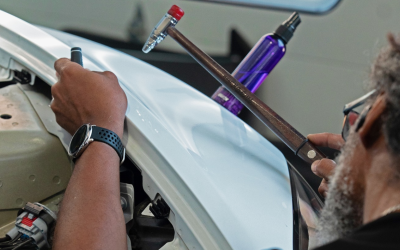
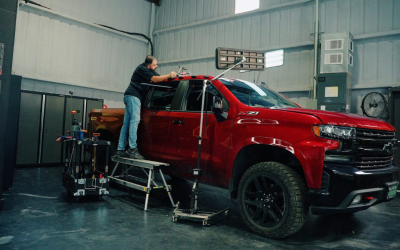
Hail damage is a special case because it’s often widespread: roof, hood, trunk, and upper door surfaces can collect dozens of small dents. Even if the paint isn’t damaged, it can still reduce the car’s resale value and make it look prematurely aged.
Consider booking Auto Hail Repair if you notice:
- Clusters of small dents are visible in sunlight (especially at an angle)
- Dings along roof rails, hood edges, or trunk creases
- Damage that looks “fine” in shade but is obvious in bright light
The timing is important, since it may become difficult to repair any dents that accumulate dirt or are further damaged later. If you recently experienced a storm in your area, it is best to seek an evaluation now.
Paint damage: the rust problem starts earlier than you think
A car’s paint is not only for aesthetics but also an important shield against corrosion. After the paint has been damaged, both water and road salt will start to attack the steel. A tiny ding in the paint can turn into a much larger problem.
Professional help is especially important if:
- Scratches go past the clear coat, and you can see a dull, lighter layer (or bare metal)
- Chips are on the hood edge or fenders, where wind and debris hit repeatedly
- There’s bubbling near wheel wells, a common area for trapped moisture and road grime
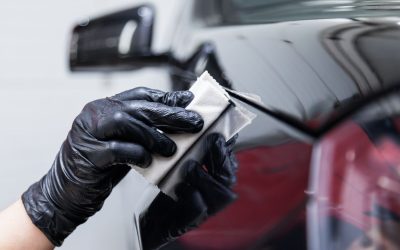
After Expert Auto Body Repair restores the finish, protective options like Ceramic Coating Application can help shield the paint from UV damage, contaminants, and easier-to-stick grime. It’s not a substitute for repair, but it can be a smart follow-up once the surface is corrected.
Damage near bumpers and sensors: small impacts, expensive consequences
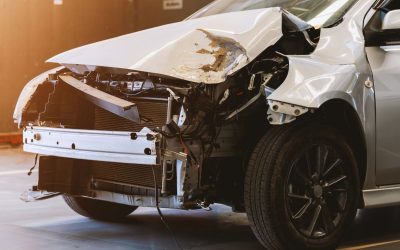
Modern car bumpers aren’t just plastic anymore. They often have sensors, cameras, and other gadgets built in that need to be perfectly placed. Even a small bump can break the clips, shift the bumper out of place, or mess up the sensors.
Contact a professional inspector if you notice:
- A bumper that sags or sticks out on one side
- Parking sensors acting inconsistently (false beeps, no detection, warning messages)
- Cracks around corners, where plastic flexes and damage spreads
It is here that the significance of Expert Auto Body Repair lies, since, besides aesthetic reasons, parts must fit together to ensure that the car works as it should.
Repeated rock chips and road wear: when protection is smarter than repainting
If you’re constantly dealing with chips on the front end, especially if you drive on highways often, repainting over and over can become frustrating. Once the surface is repaired and clean, it may be time to take steps to prevent further damage.
Paint Protection Film is a good option if:
- Your hood and bumper collect chips quickly
- You want to preserve a newer paint job after a repair
- You’re planning to keep the vehicle long-term and want easier maintenance
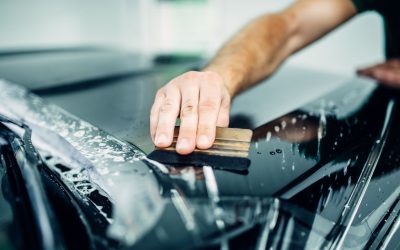
Think of it as a durable layer that takes the hit so your paint doesn’t have to. It’s especially helpful after body work, when you want to protect the fresh finish you just invested in.
Actionable checklist: what to do before you visit a shop
If you suspect you need professional auto body repair, a few quick steps can make the visit more productive and help you explain what happened clearly.
- Inspect in good lighting: Look at the car in direct sun and shade. Dents and ripples often show up only at certain angles.
- Check the gaps between panels: Look at the spaces around doors, the hood, and the trunk. Make sure the gaps are even on both sides.
- Feel for paint issues: Run your fingers gently over the paint. If you notice rough edges or loose paint, it could mean rust is forming.
- Test function: Open and close doors, trunk, and hood. Note any sticking, rubbing, or unusual sounds.
- Document the damage: Take photos from multiple angles and distances. Include close-ups and wider shots showing the panel location.
- Make a short list of concerns: For example, “rear bumper sits uneven,” “wind noise started after impact,” or “hail dents on roof and hood.”
Once you’ve arrived, this information will help the technician zero in on the specific problems that need to be addressed, particularly if there are any underlying issues.
Don’t overlook comfort and visibility upgrades after repairs.
A mechanic isn’t always just about fixing damage. Sometimes it’s about reconditioning your whole car. For example, adding window tint can make your drive more comfortable, reduce glare, and protect your interior from harsh sunlight. After fresh paintwork, applying a ceramic coating makes cleaning easier and keeps your car looking glossy for years.
The clearest sign it’s time to visit a professional auto body shop, like PDRTX, is visible damage to your car’s fit, finish, or function, or even if you’re unsure about what’s happening under the hood. Whether it’s general auto body repair or hail damage repair, getting expert help now can prevent bigger problems later and give you peace of mind.
At PDRTX, our team is ready to guide you through all your car protection and upgrade options. Contact us today to schedule your appointment and keep your vehicle in top shape.
Stay up to date with us on Facebook and LinkedIn for tips and updates!